
Helping Children
Move and Learn
with Greater Ease
NeuroHorizons® Experiential Movement® lessons use gentle movement to help children with neurological or developmental challenges move more comfortably, learn with greater ease, and feel more confident in everyday life.
When a Child’s Body or Learning Feels Stuck
Some children experience challenges that make everyday activities harder than they should be. These may include coordination or balance difficulties, developmental delays, sensory sensitivities, learning or attention challenges, or neurological conditions.
Many parents find themselves searching for answers, trying different therapies, and wondering what will truly help their child. Children often want to explore, move, and learn — but something in their nervous system may be making those things harder than they should be.
How NeuroHorizons® is Different
Many therapies focus on practicing a skill repeatedly in hopes that the body will eventually learn it. NeuroHorizons® Experiential Movement® lessons take a different approach.
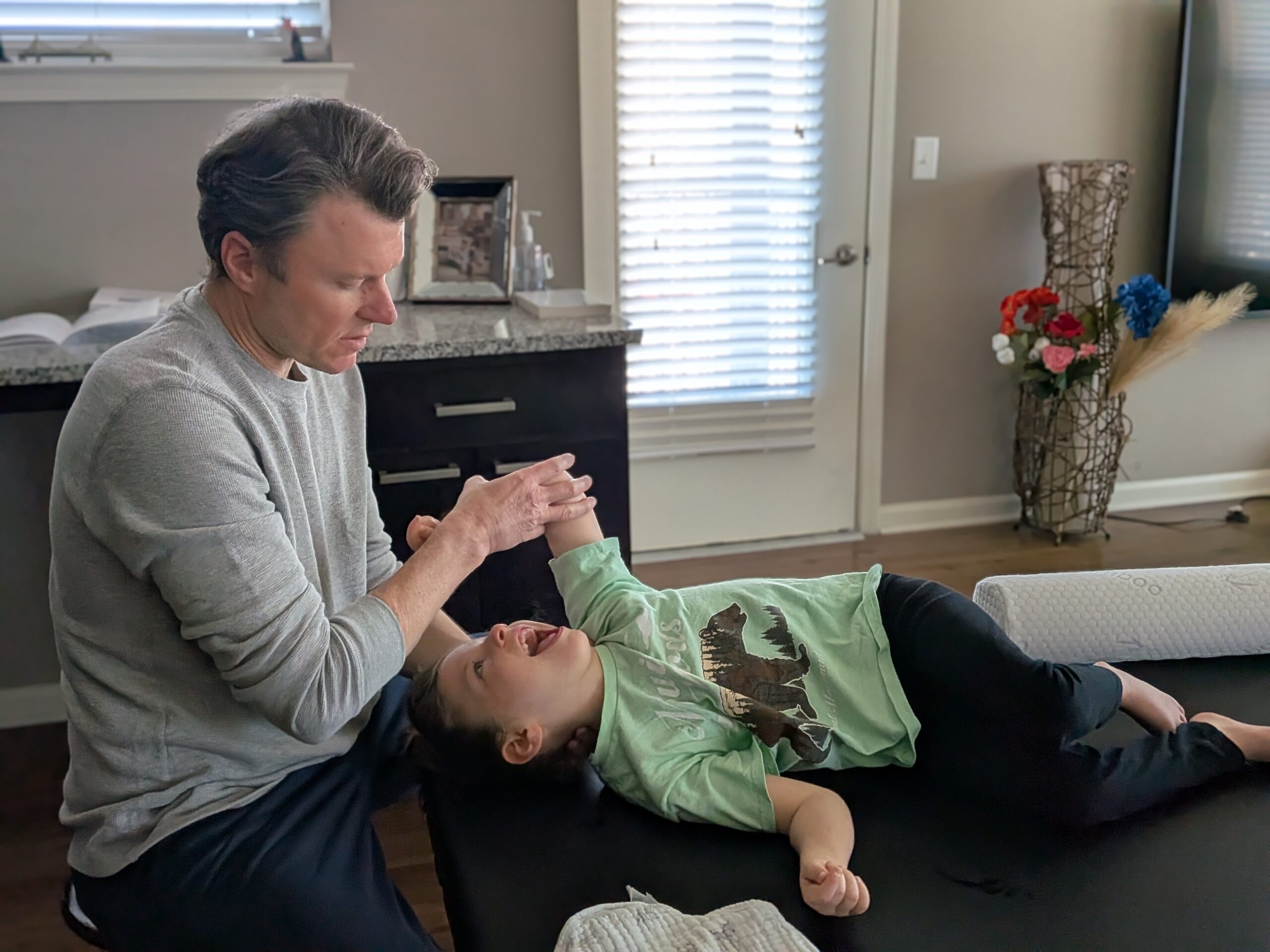
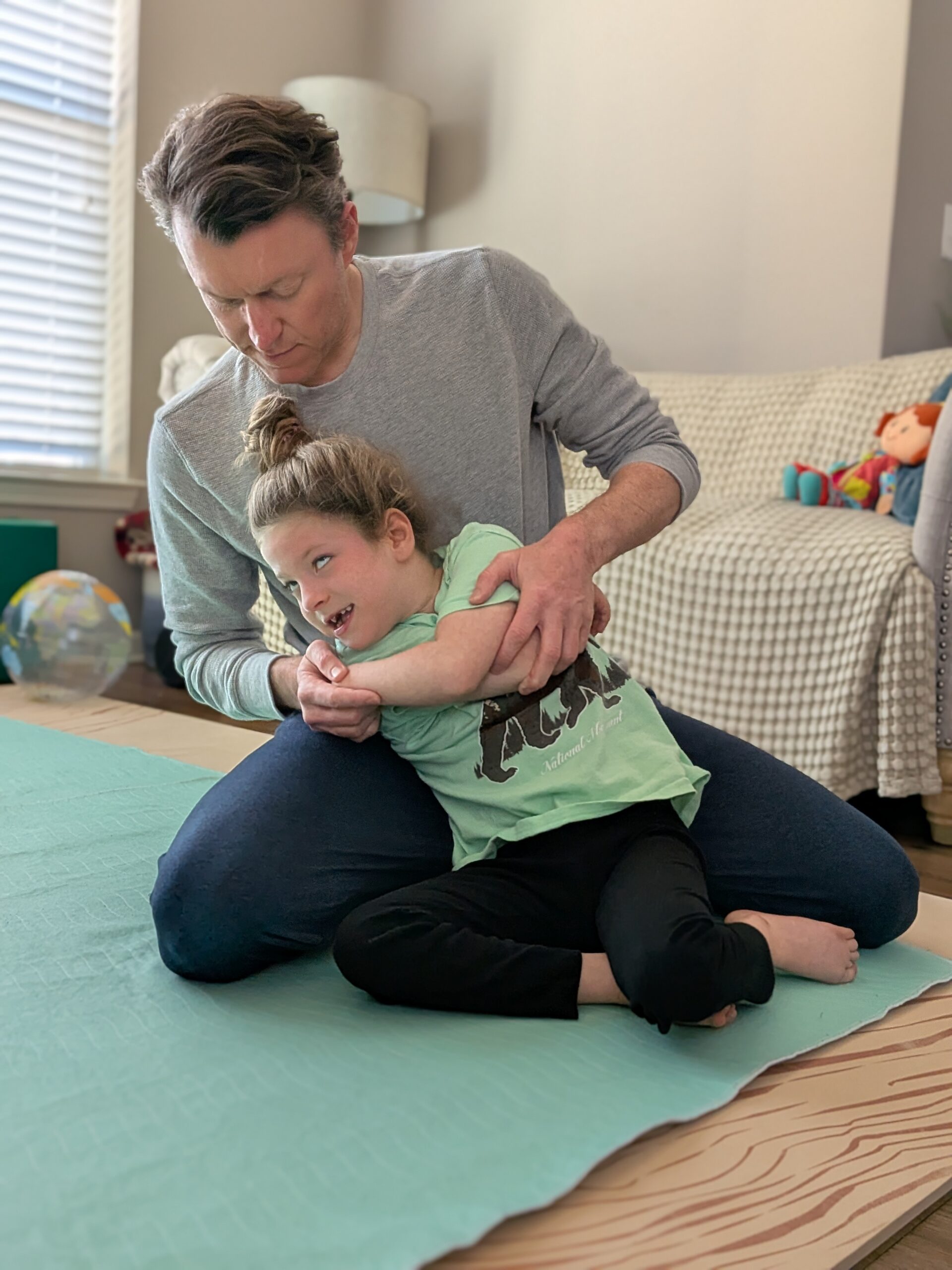
Rather than trying to force a movement, lessons guide children through gentle movement experiences that elicit each unique child’s native learning process.
These experiences engage the brain’s lifelong ability to change and learn — a process known as neuroplasticity. As children explore new ways of moving and sensing, their nervous system can begin to develop new patterns that support learning, coordination, and daily life.
A Path Forward
Consultation
We begin with a consultation to understand your child, their history, and your goals.
Personalized Lessons
Your child receives gentle one-on-one movement lessons tailored to their nervous system.
Discover Changes Over Time
As the brain integrates new movement and sensory experiences, children may develop new skills and greater ease in daily life.
What Lessons Look Like
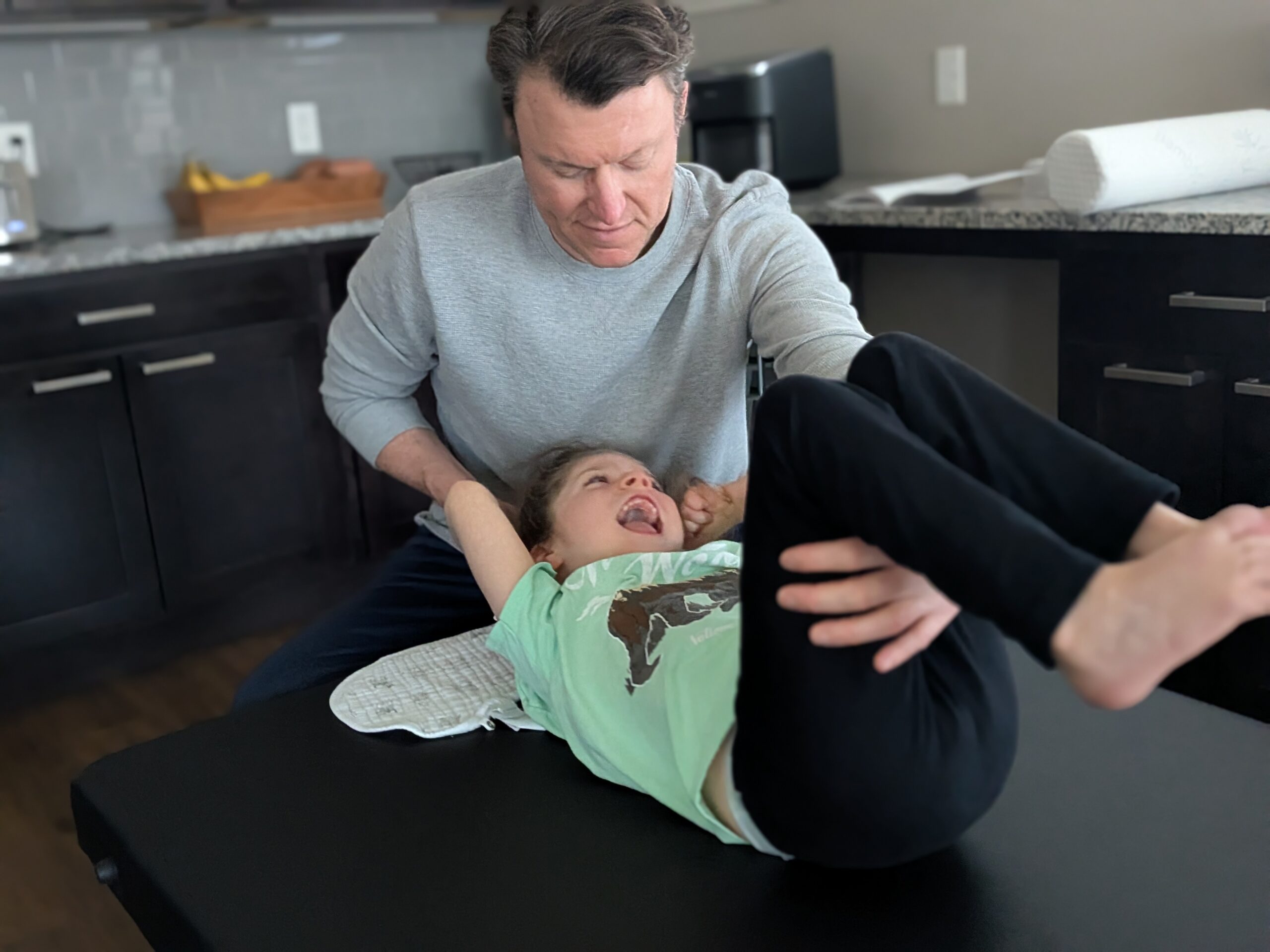
NeuroHorizons® Experiential Movement® lessons are calm, gentle, and individualized.
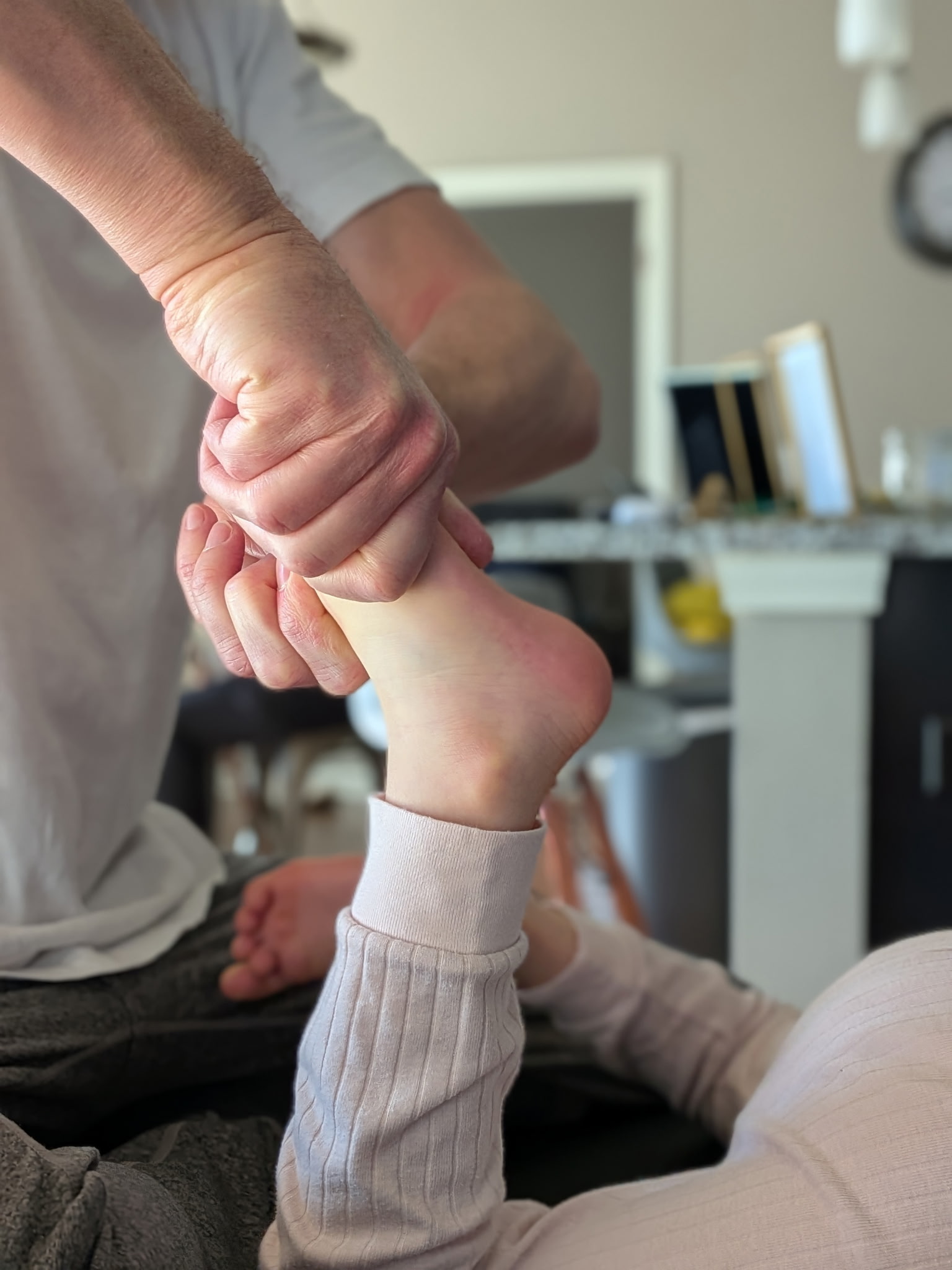
During a session, your child explores small movement sequences designed to help their brain become more aware of how their body moves and senses the world. A typical lesson is:
- One-on-one
- Unhurried and comfortable
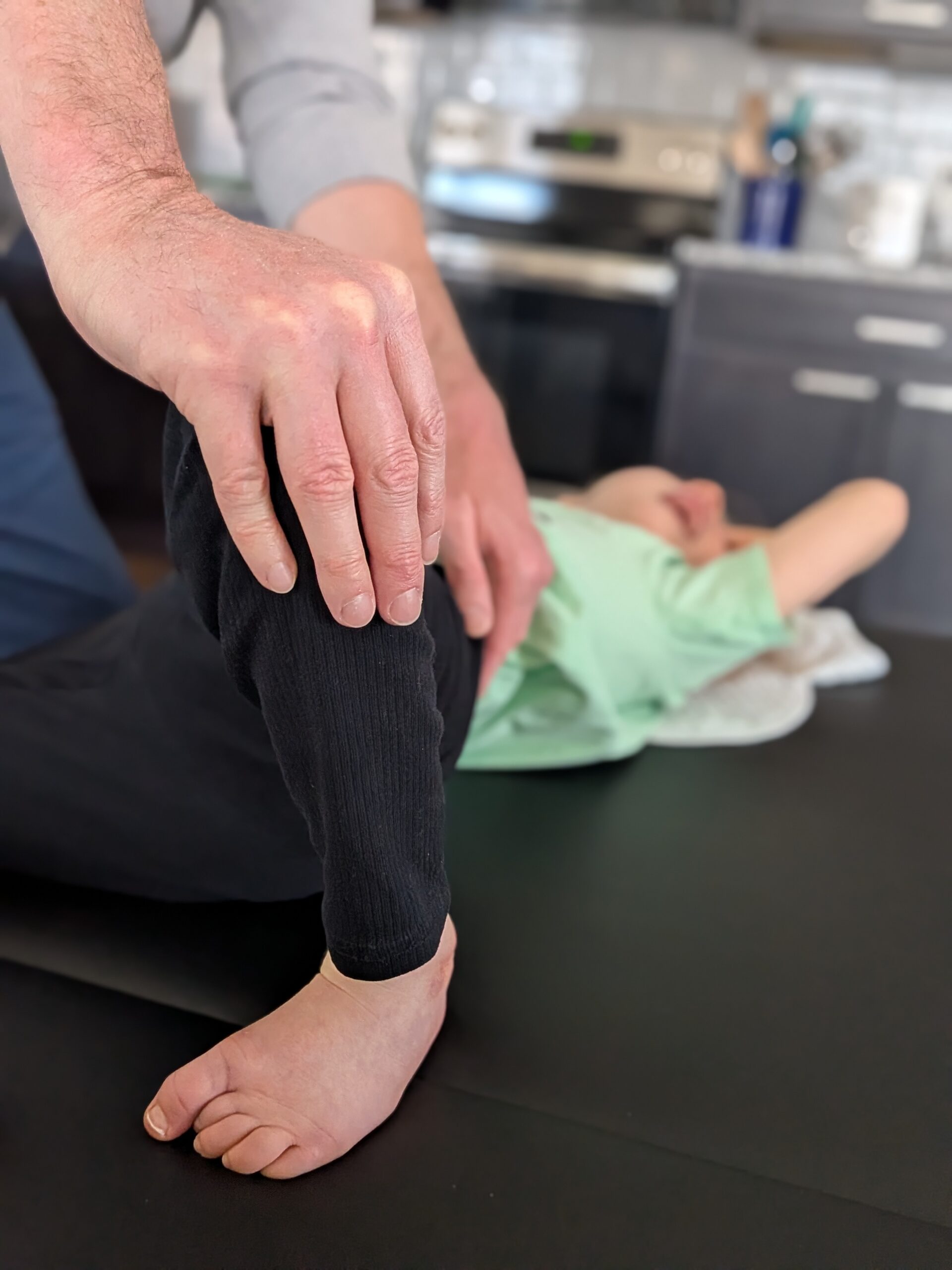
- Guided through gentle touch and movement
- Adapted to your child’s abilities and needs
Many children experience the lessons as curious, playful exploration rather than therapy.
Each lesson builds on the child’s current abilities, allowing the brain to discover new movement patterns and possibilities over time by eliciting each unique child’s native learning process.
Parents are encouraged to observe and learn how to support their child’s development between lessons.
What Progress
Can Look Like
- Moving with greater confidence
- Feeling more comfortable in their body
- Exploring the world with curiosity
- Learning new skills more easily
- Gaining independence in everyday life
Who This Is For
NeuroHorizons® Experiential Movement® lessons may be helpful for children experiencing developmental delays, coordination challenges, sensory processing differences, neurological conditions, learning differences, or movement challenges related to birth or injury.
How I Work
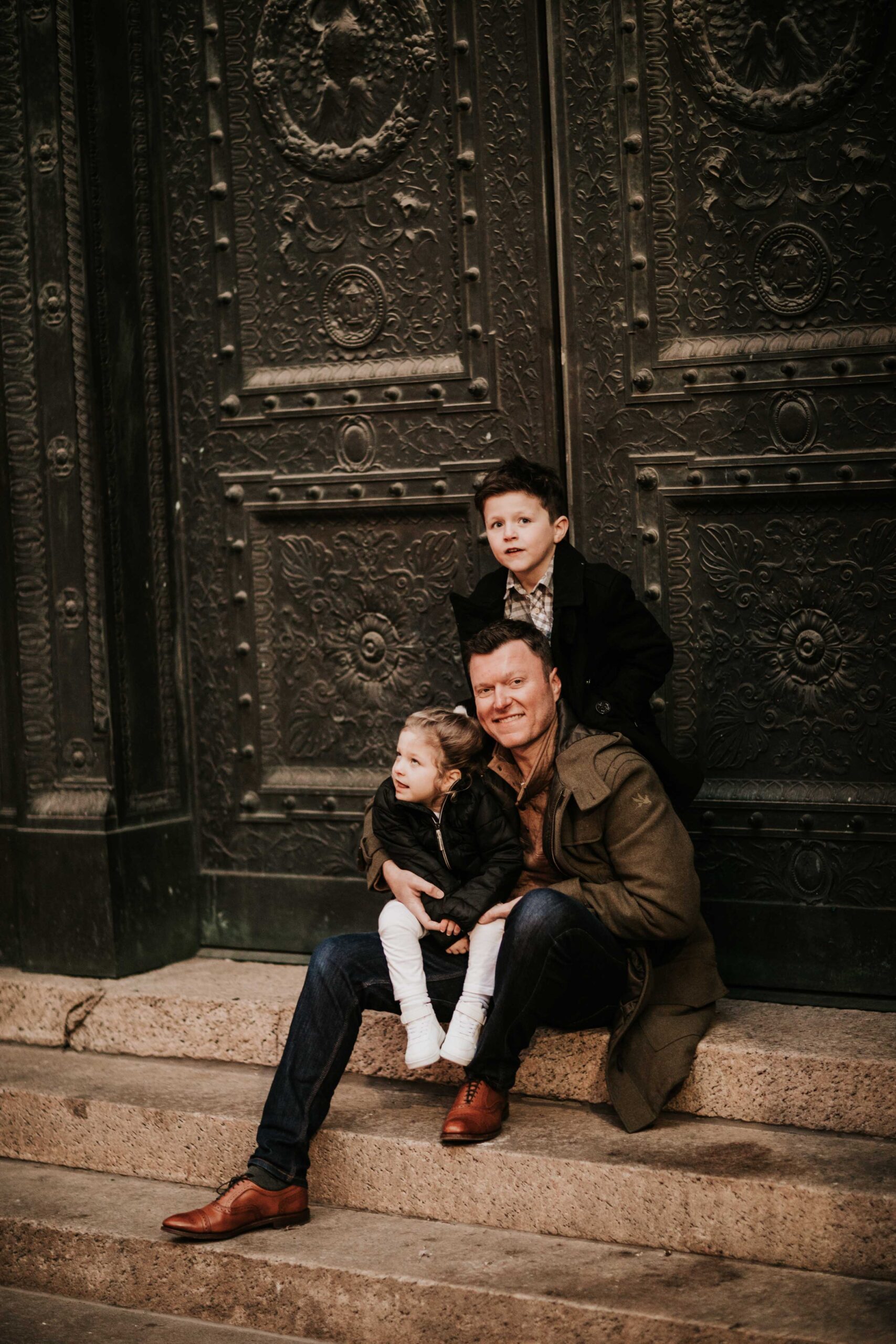
My name is Ray Olsen. I am a NeuroHorizons® Experiential Movement® Mentor and a parent who understands the journey families walk when supporting a child with special needs.
My work focuses on guiding children through gentle movement lessons that support the brain’s lifelong ability to learn and change—meeting each child where they are and building from their existing patterns.
I completed the NeuroHorizons® Fundamentals of Experiential Movement® Seminar Program and was trained by master teacher Sylvia Leiner Shordike, author of The NeuroHorizons Primer: Empower Yourself to Empower the Child With Special Needs (2020). Sylvia is the founder of the NeuroHorizons® programs, is a Guild Certified Feldenkrais Practitioner®, and was formerly a long-time Practitioner and Trainer for Anat Baniel in California.
Ready to Learn More?
If you are curious whether NeuroHorizons® Experiential Movement® lessons may help your child, schedule a consultation to learn more and discuss your child’s unique needs.
In a Different Area?
For a worldwide listing of certified NeuroMovement® professionals serving Children with Special Needs, please visit www.NeuroConnect.world
© 2026 MotusVivo.com · All Rights Reserved
Privacy | Terms & Disclaimer